The federal clock on PFAS in tap water keeps moving. EPA finalized limits for six PFAS on April 10, 2024, with PFOA and PFOS each capped at 4.0 parts per trillion. On May 18, 2026, it proposed keeping those two limits while letting water systems request two additional years, to 2031, to comply, and proposed rescinding the limits for PFHxS, PFNA, HFPO-DA, known as GenX, and a Hazard Index mixture.
For households, that means utility fixes may arrive later than the 2029 date in the original rule, and a kitchen filter is the stopgap within reach. Appliance brands have noticed: SharkNinja launched a countertop filtration system on August 13, 2026. What decides whether any filter helps is not the brand but the certification behind its PFAS claim.
Trend Signal
55/100 Steady momentum
- Emerging
- Rising
- Mainstream
- Peaking
- Cooling
EPA data and a slower federal deadline push PFAS filtering into the kitchen
EPA’s final UCMR 5 data (July 2026) estimate that 7.8% of US public water systems averaged above at least one April 2024 PFAS limit, and a May 18, 2026 proposal would let systems request more time to comply; SharkNinja entered the category on August 13, 2026. With no sales data for home filters and one major brand launch as the product evidence, the score stays near the bottom of the Rising band.
Our editorial reading of the cited data, not a forecast. How it is scored
By the numbers
- 7.8%Estimated share of US public water systems averaging above at least one EPA PFAS limitUS EPA
- 4.0 pptEPA’s enforceable limit for PFOA and for PFOS in drinking water, finalized April 10, 2024US EPA
- 15.5%Share of large systems, serving over 10,000 people, averaging above a PFAS limit in UCMR 5US EPA
- $20–$1,000+EPA’s price range for PFAS-reducing home filters, before maintenance costsUS EPA
Why the kitchen filter is back in the conversation
EPA’s fifth Unregulated Contaminant Monitoring Rule, known as UCMR 5, collected full PFAS results from about 10,130 public water systems, and the agency published the final dataset in July 2026. Comparing running averages with the April 2024 limits, EPA estimates that 7.1% of small systems serving fewer than 3,300 people, 8.3% of systems serving 3,300 to 10,000 people and 15.5% of large systems serving more than 10,000 people averaged above at least one limit, a weighted 7.8% nationwide.
EPA stresses that these results do not indicate compliance or noncompliance, which is judged on each system’s own monitoring. The data also show PFAS tend to occur together: 66% of sampling locations with at least one PFAS at or above the reporting level had several.
The rule itself is in flux. The April 2024 rule gave systems until 2029 to put solutions in place. EPA’s May 18, 2026 proposals would uphold the PFOA and PFOS limits with an option to request two more years, to 2031, and would rescind the limits for PFHxS, PFNA, GenX and the Hazard Index mixture. Both are proposals, not final rules.
The limit on PFOA and PFOS stands; the date utilities must meet it may slide.
The certification that counts
EPA’s guidance is specific: check the packaging for certification to NSF/ANSI 53 or NSF/ANSI 58 for PFAS reduction, then confirm it in the certifying body’s product directory. Five ANSI-accredited bodies certify filters for PFAS reduction: CSA Group, IAPMO R&T, NSF, UL and the Water Quality Association. As of April 2024, EPA noted, filter certifications focus on PFOA and PFOS.
Two caveats matter. First, a standard number alone is not a PFAS claim. NSF’s directory lists Standard 42 for aesthetic effects, 53 for health effects, 58 for reverse osmosis and 401 for emerging compounds, and it searches certifications by individual reduction claim within each standard, so check that PFOA and PFOS appear on the product’s own listing. Second, EPA says current PFAS certifications do not yet indicate that a filter will bring PFAS down to the new federal limits; its filter research page, updated November 18, 2025, says EPA is working with standard-setting bodies to update them.
| Standard | Scope as listed by NSF | EPA guidance for PFAS |
|---|---|---|
| NSF/ANSI 42 | Aesthetic effects | Not one of the two EPA names for PFAS |
| NSF/ANSI 53 | Health effects | Look for it with a PFAS reduction claim |
| NSF/ANSI 58 | Reverse osmosis | Look for it with a PFAS reduction claim |
| NSF/ANSI 401 | Emerging compounds | Not one of the two EPA names for PFAS |
Filter types and what they cost to run
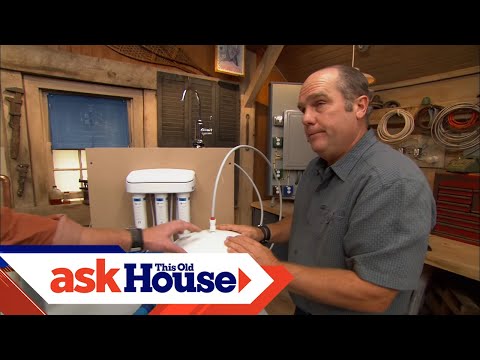
EPA lists three technologies that can reduce PFAS: granular activated carbon, which traps chemicals as water passes through; reverse osmosis, which forces water through an extremely thin barrier; and ion exchange resins, tiny beads that attract and hold contaminants. Its research found that the carbon, ion exchange and reverse osmosis point-of-use systems it studied “can greatly reduce PFAS levels.”
Prices run from about $20 to more than $1,000 before maintenance, according to EPA, and running costs vary by filter. As an example from a new countertop entrant, SharkNinja launched its Ninja HydraSense on August 13, 2026 at $199.99, with replacement filters at $39.99 and a 120-gallon filter life, which by our math works out to about 33 cents a gallon. Its launch materials list NSF 42, 53 and 401 certifications; as with any filter, the certifier’s directory is where a specific PFOA or PFOS reduction claim shows up.
Maintenance is part of the purchase. EPA says filters work only if they are maintained on the manufacturer’s schedule, and that skipping replacements can increase exposure to PFAS.
Who needs one, and who can skip it
Start with data that already exists. EPA suggests contacting your water provider to find out which PFAS, if any, are in your water, or searching EPA’s database of test results. It is blunt about the other side: if PFAS have not been measured in your water, or were measured below federal limits, a filter may not be useful to you.
Private well owners are in a different spot. UCMR 5 applied to community water systems and non-transient non-community systems, not private wells, so a certified lab test comes before any filter decision.
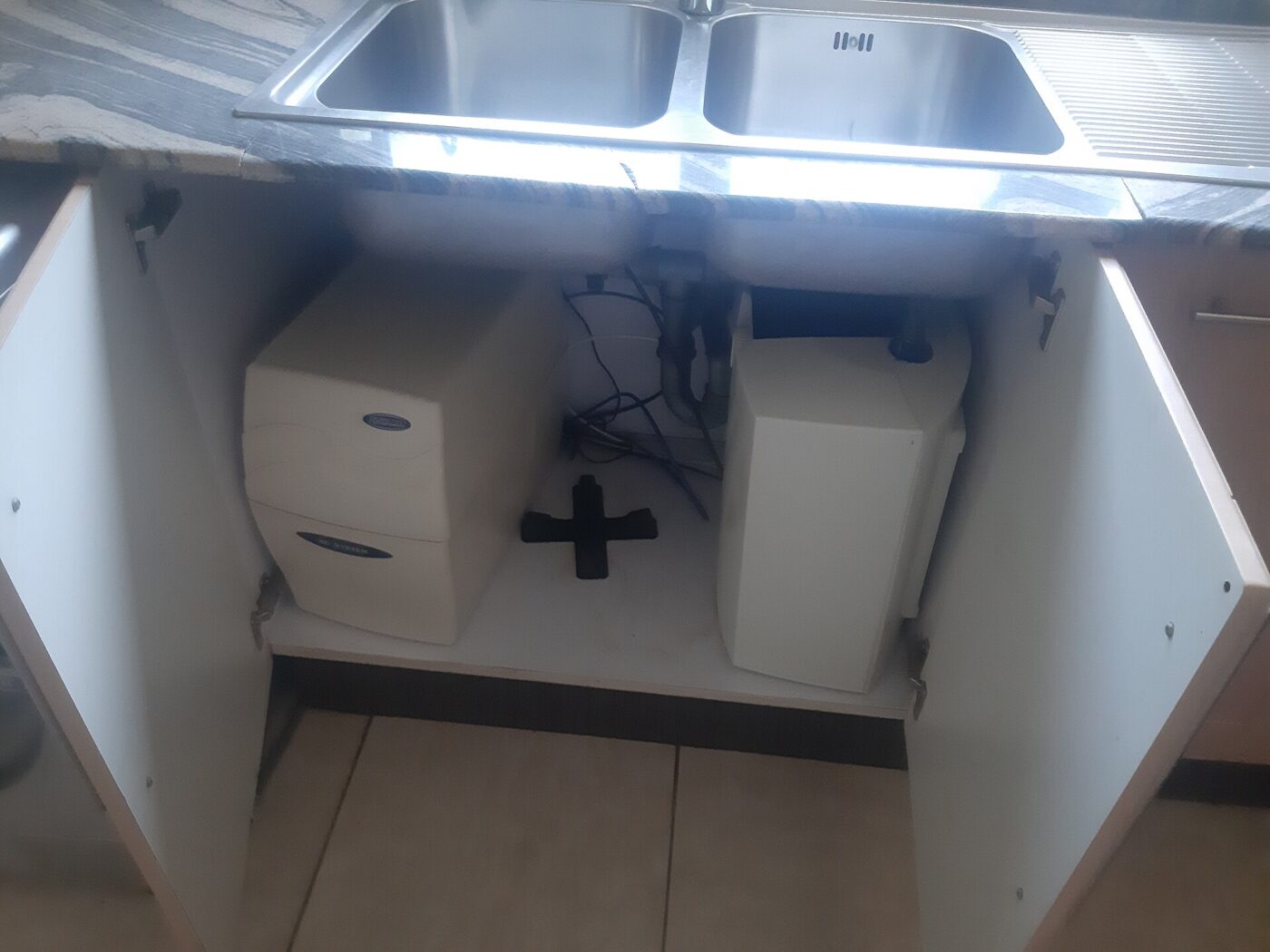
For renters and small kitchens the choice is usually between a certified pitcher and a countertop system; owners who can work under the sink also have the reverse osmosis option. In every case, the certification listing should drive the choice ahead of the contaminant count on the box.
What to watch next
- EPA’s final action on its May 18, 2026 proposals, which would confirm or change the extra two years and the rescission of four PFAS limits
- Updates to NSF/ANSI 53 and 58 that tie filter certifications to EPA’s 4.0 ppt limits, which EPA says it is working toward
- Your utility’s annual water quality report, for PFOA and PFOS results as initial monitoring under the rule finishes
Where to start
Paid links: we earn a commission if you buy through the buttons below, at no extra cost to you. As an Amazon Associate I earn from qualifying purchases.
PFAS filter types compared on the things that differ
| Product type | Good fit for | Where to look |
|---|---|---|
| Pitcher filter certified to NSF/ANSI 53 for PFOA/PFOS | Fits renters on a budget | See listings on AmazonOpens Amazon search results, not one listing: check the model on the product page. |
| Under-sink reverse osmosis system | Fits owners who can install under the sink | See listings on AmazonOpens Amazon search results, not one listing: check the model on the product page. |
| Countertop water filtration system | Fits renters who want more capacity | See listings on AmazonOpens Amazon search results, not one listing: check the model on the product page. |
Product types that fit the trend described above, not tested models. Check the exact listing before you buy. How we pick them.
Pitcher filter certified to NSF/ANSI 53 for PFOA/PFOS
Where to look: Amazon
The low end of EPA’s price range. Buy only a model whose PFOA and PFOS reduction claim appears in the certifier’s directory, and budget for cartridges.
- No installation
- Low upfront cost
- Small batches
- Frequent cartridge swaps
Under-sink reverse osmosis system
Where to look: Amazon
The option for owners who can install under the sink. EPA names reverse osmosis among the technologies that can reduce PFAS.
- Filtered water on tap
- Certified under NSF/ANSI 58
- Needs plumbing work
- Membranes and filters to replace
Countertop water filtration system
Where to look: Amazon
The corner that drew SharkNinja in August 2026. Compare certified claims and cost per gallon, not the marketing count of contaminants.
- No plumbing required
- Larger batches than pitchers
- Takes counter space
- Filter costs add up
More: Home and Kitchen trends and how the Trend Signal is scored.
Sources
- Per- and Polyfluoroalkyl Substances (PFAS) drinking water regulation — US EPA
- The Fifth Unregulated Contaminant Monitoring Rule (UCMR 5) Data Summary, July 2026 — US EPA
- Fact Sheet: Reducing PFAS in Your Drinking Water with a Home Filter — US EPA
- Identifying Drinking Water Filters Certified to Reduce PFAS — US EPA
- NSF Certified Drinking Water Treatment Units directory — NSF
- Ninja Raises the Standard for Home Water with the Launch of Ninja HydraSense — SharkNinja
Questions readers ask
Do pitcher water filters remove PFAS?
Some are certified to reduce PFOA and PFOS and some are not. EPA says to look for certification to NSF/ANSI 53 or 58 for PFAS reduction and to confirm it in the certifying body’s product directory. Certifications as of April 2024 focus on PFOA and PFOS.
Does NSF 42 certification mean a filter removes PFAS?
No. NSF lists Standard 42 as covering aesthetic effects. EPA points buyers to NSF/ANSI 53 or 58 with a PFAS reduction claim.
When do water utilities have to meet the PFAS limits?
The April 2024 rule set 2029 for systems to implement solutions. EPA’s May 18, 2026 proposal would let systems request two more years, to 2031, for PFOA and PFOS. That proposal is not final.
How do I find out if my water has PFAS?
EPA suggests contacting your water provider or searching its database of PFAS test results for your system. Private wells were not part of EPA’s UCMR 5 monitoring, so well owners need their own lab test.