We have tested none of the products named here and will not imply we did. This is the method the site uses everywhere, aimed at a housewarming: the specification the manufacturer publishes, the standard the product is built to with its edition and publication date, and every record the Consumer Product Safety Commission holds under that product name. The selection rule, applied throughout: a category qualifies only when a company still selling it publishes full specifications on its own domain. Every count here is our own substring search of CPSC product names at saferproducts.gov, whole file to October 1, 2026; a differently worded notice can be missed.
A new owner is a specific case, not a generic recipient: they have just acquired a building full of devices with expiry dates they did not set, in a house whose previous occupant made every decision about them. That is why the obvious housewarming presents are the wrong ones.
Trend Signal
60/100 Steady momentum
- Emerging
- Rising
- Mainstream
- Peaking
- Cooling
The alarm standard moved under buyers, and the product pages now state which edition
UL 217 reached Edition 10, published November 27, 2024 and ANSI-approved January 14, 2026; First Alert states conformance to the 10th edition on the SM210 product page, read October 1, 2026.
Our editorial reading of the cited data, not a forecast. How it is scored
By the numbers
- 37.8MKidde fire extinguishers with plastic handles recalled in CPSC notice 18022, one deathCPSC
- 6 of 8Smoke alarm recalls on the CPSC file that are failures to alert, pulled October 1, 2026CPSC
- 10 yearsInterval at which the US Fire Administration says to replace the entire smoke alarmUS Fire Administration
- Edition 10Active edition of UL 217 for smoke alarms, published November 27, 2024UL Standards and Engagement
The smoke alarm recalls are not about fires starting
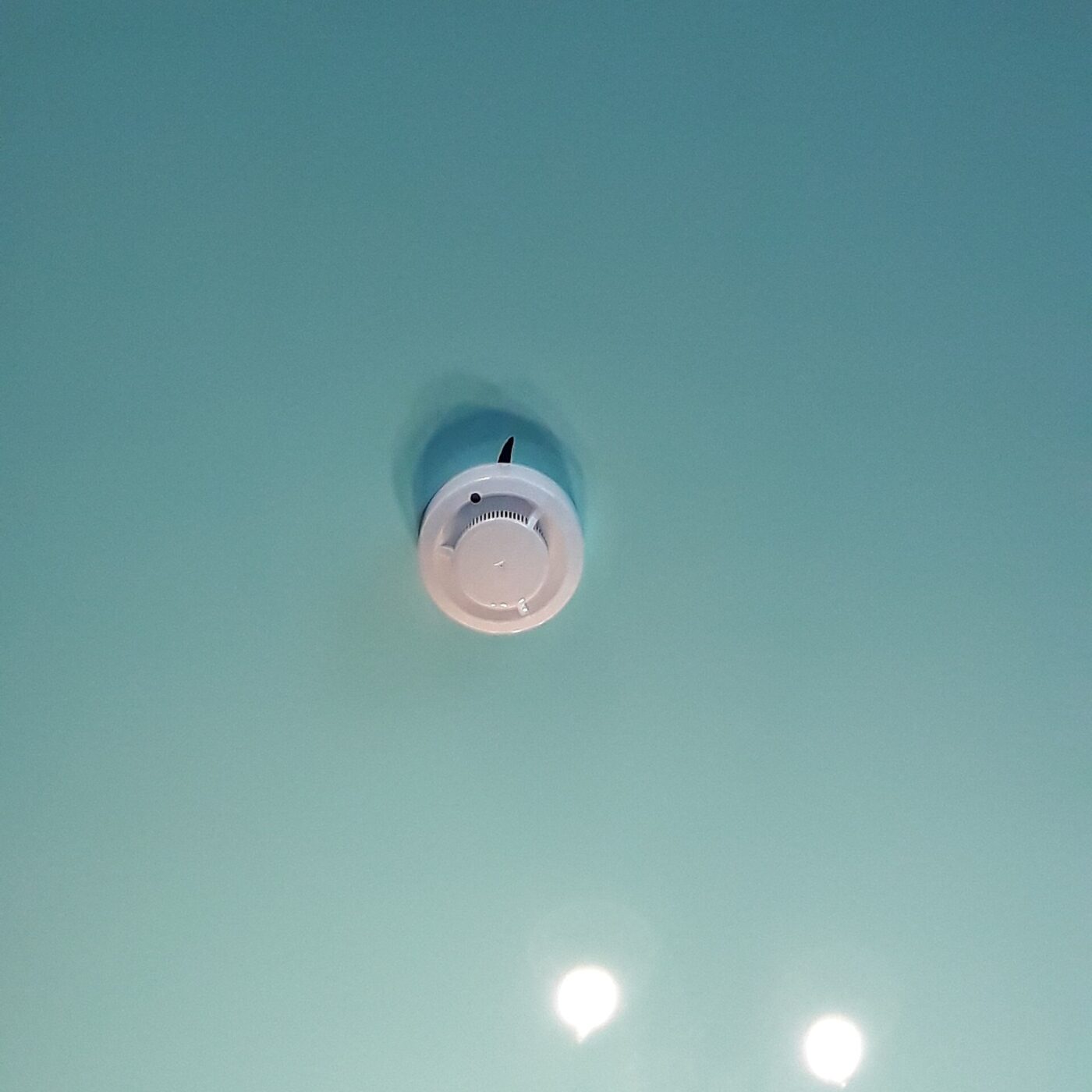
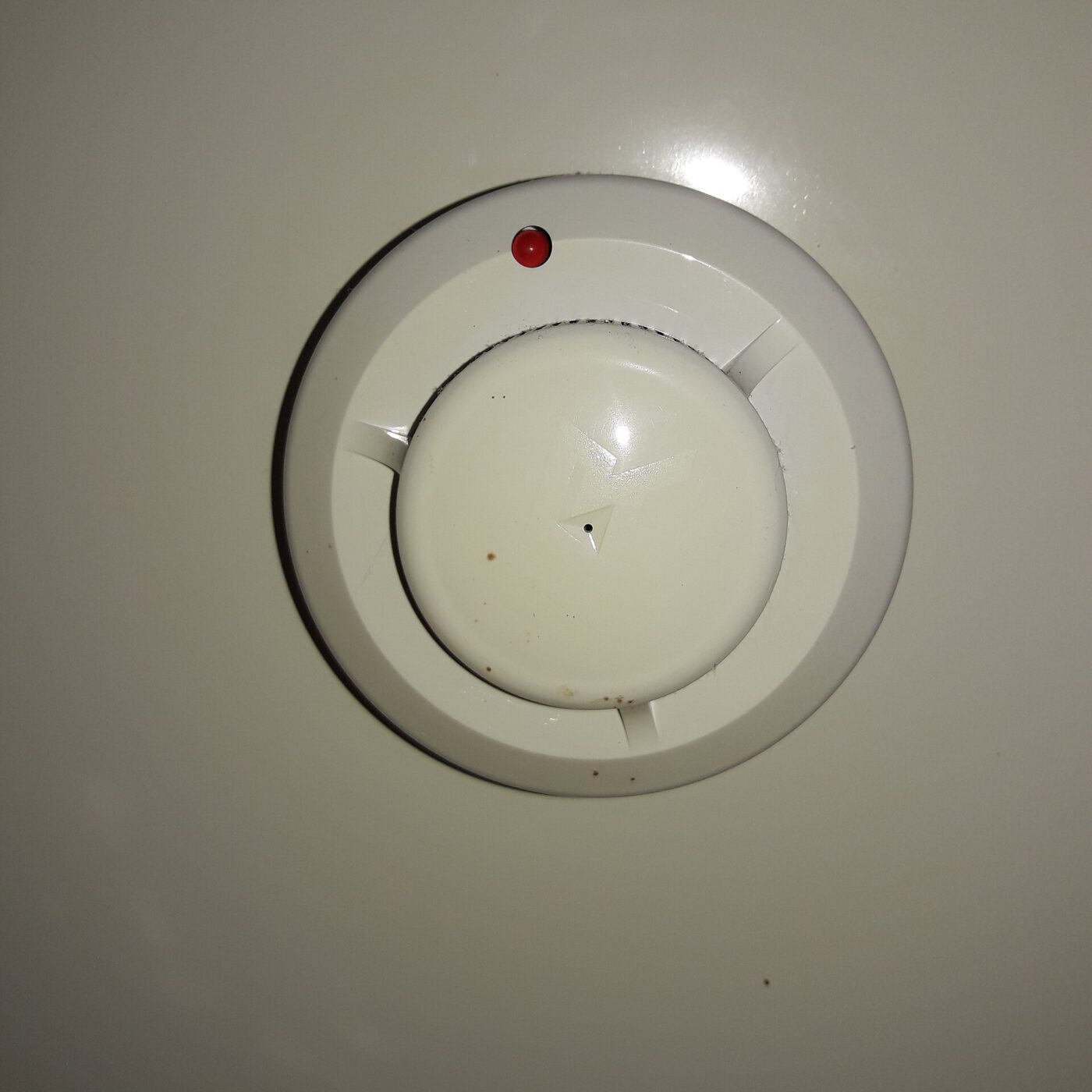
Almost every recall category behaves the same way: a product overheats, cracks, cuts or tips. Smoke alarms are the exception, and that is why they belong on a housewarming list. A product-name search on smoke alarm returned eight records, and six describe the alarm failing to alert. Notice 25095 of January 16, 2025 covers about 328,000 Samurai mini alarms sold through HSN, where CPSC smoke sensitivity testing found a unit that failed to alert at predetermined concentrations. Notice 21130 of May 6, 2021 covers about 226,000 Kidde TruSense alarms with no incidents at all: the defect was found before anyone needed one.
That inverts the usual advice. With a kettle, a recall tells you to stop using the product. With an alarm, both the Kidde and Three61 notices tell consumers to keep the unit installed until the free replacement arrives, because a suspect alarm beats a bare ceiling.
The second fact a new owner does not have is age. The US Fire Administration states that smoke alarms need replacing 10 years from the date of manufacture, that the whole alarm goes, and that alarms on every level are the baseline. A house bought in 2026 may carry alarms fitted by somebody who moved out in 2014.
An alarm recall says the device may not sound, so it tells you to leave it up until the replacement lands.
Fire extinguishers carry a rating, and it is printed on the label

The extinguisher category holds the largest number here. Notice 18022, dated November 2, 2017, covers about 37.8 million Kidde fire extinguishers with plastic handles in the United States across 134 models manufactured between January 1, 1973 and August 15, 2017. The units could become clogged or need excessive force to discharge, and the nozzle could detach. CPSC records a 2014 death in which emergency responders could not get the recalled extinguishers to work at a car fire, about 391 reports of failed or limited activation, roughly 16 injuries and about 91 property damage reports. That notice absorbed two earlier recalls, from 2009 and 2015.
What makes an extinguisher checkable is that the rating is a published, standardized figure. UL 711, Rating and Fire Testing of Fire Extinguishers, is at Edition 8, published August 6, 2018 and ANSI-approved January 5, 2023; its scope is the rating and fire-test performance of extinguishers for Class A, B, C, D and K fires. Kidde’s page for the Pro 210 states a UL rating of 2-A:10-B:C and that the unit is rechargeable, read October 1, 2026.
Carbon monoxide alarms work the same way, against UL 2034, Edition 5, published June 3, 2024. A search on carbon monoxide alarm returned four records, and three describe the alarm failing to alert rather than injuring anyone; the fourth, from 1999, carries no published hazard text.
The water problems a new owner has not met yet
The second housewarming gift that earns its place catches a problem early. A leak sensor has no federal standard behind it and no recall record to read; what it has is a job nothing else in the house performs. How the current generation reports is in the smart water leak detector brief.
Two other unglamorous categories have real published numbers. HVAC filters are rated by MERV, and EPA states that MERV values report a filter’s ability to capture particles between 0.3 and 10 microns, advising at least MERV 13 or as high as the system fan and slot will take; the airflow cost is in the MERV rating explainer. Drinking water filters are certified against NSF/ANSI standards 42, 53, 58 and 401, each a different class of claim, and the certifier publishes a searchable listing of every model. How to read them is in the water filter certification brief.
The third, which nobody thinks of as a gift and every new owner needs in the first cold month, is draft sealing, compared in under-door draft stoppers and weatherstripping and air sealing.
Prefer the categories where somebody independent publishes a number: MERV, CADR, NSF listings, UL ratings.
What not to give, and why
Mounted things are the classic housewarming mistake, because the constraint is the wall and you cannot see it. How published weight limits and VESA patterns work is in the TV wall mount brief; a mount is a gift for a house you have stood inside.
Step stools deserve a specific warning because the pattern changed. A product-name search on step stool returned 15 records, and the three most recent are toddler kitchen towers recalled in July 2026: notices 26658, 26628 and 26620, all for tip-over and fall, two of them also for collapse and torso entrapment. If the new owners have a small child, that is the one category here currently generating notices.
Anything bought for a child goes through a different body of law: ASTM F963-23 as incorporated by 16 CFR part 1250, the water bead requirements at section 1250.4, and 16 CFR part 1263 with ANSI/UL 4200A for button and coin cells. Those have their own articles here.
The limits of checking this way
Everything above is drawn from records that exist; the gap is the records that do not. CPSC describes itself as a small agency with a large mission, about 520 staff including 120 investigators, and a recall appears only when a firm agrees or the agency compels. A category with no notices can be well made or unwatched, and the database will not distinguish them.
The second limit is that a standard edition tells you what a product was tested against, not how it was built. First Alert states on the SM210 page that the alarm is photoelectric, carries a 10-year sealed lithium metal battery, sounds at 85 dB at 10 feet and conforms to the UL 217 10th edition standard, read October 1, 2026. That is four checkable facts and a named edition, and still the manufacturer’s own statement.
So treat this as a shortlist of questions rather than products. Does the maker name the standard and its edition. Does the page state a number you could compare. Does the product name return anything in the recall database today.
Name the edition, state a comparable number, search the database: three checks, five minutes.
What to watch next
- Whether more alarm makers print the UL 217 edition, as First Alert does, since Edition 10 only reached ANSI approval on January 14, 2026
- New entries under smoke alarm and carbon monoxide alarm in the CPSC database, where the hazard is usually failure to alert rather than injury
- Whether the toddler kitchen tower notices of July 2026 are followed by a juvenile product rulemaking
Where to start
Paid links: we earn a commission if you buy through the buttons below, at no extra cost to you. As an Amazon Associate I earn from qualifying purchases.
Housewarming categories compared on what is published and what is on the file
| Product type | Good fit for | Where to look |
|---|---|---|
| Ten-year sealed battery smoke alarm | Fits the first week in a house | See listings on AmazonOpens Amazon search results, not one listing: check the model on the product page. |
| Home fire extinguisher | Fits a kitchen or a garage | See listings on AmazonOpens Amazon search results, not one listing: check the model on the product page. |
| Water leak sensor set | Fits an unfamiliar plumbing run | See listings on AmazonOpens Amazon search results, not one listing: check the model on the product page. |
Product types that fit the trend described above, not tested models. Check the exact listing before you buy. How we pick them.
Ten-year sealed battery smoke alarm
Where to look: Amazon
First Alert publishes photoelectric sensing, 85 dB at 10 feet, a 10-year lithium metal battery and UL 217 10th edition conformance for the SM210. Four facts you can hold them to.
- Published edition to compare against
- Sealed battery removes a yearly task
- Six of eight CPSC notices are failures to alert
- Needs replacing a decade from manufacture
Home fire extinguisher
Where to look: Amazon
UL 711 Edition 8 governs the rating; Kidde publishes 2-A:10-B:C for its Pro 210. Notice 18022 covered about 37.8 million plastic-handle units.
- The UL rating is printed and standardized
- Rechargeable units stay in service longer
- Carries the largest recall in this group
- A rating band is not a room-size guide
Water leak sensor set
Where to look: Amazon
This category has neither a federal standard nor a recall history to read. It earns a place because nothing else in a new house performs the job.
- Catches a problem the owner cannot see
- No recall record on the product name
- No mandatory standard exists for these
- Alerts may depend on an app or a service
More: Home and Kitchen trends and how the Trend Signal is scored.
Sources
- Kidde Recalls Fire Extinguishers with Plastic Handles — CPSC
- Three61 Recalls Samurai Mini Smoke Alarms — CPSC
- Kidde Recalls TruSense Smoke and Combination Alarms — CPSC
- Recall database REST web service — CPSC saferproducts.gov
- Smoke alarms guidance — US Fire Administration
- UL 217, Smoke Alarms — UL Standards and Engagement
- UL 711, Fire Extinguisher Rating and Fire Testing — UL Standards
- UL 2034, Carbon Monoxide Alarms — UL Standards
- SM210 slim profile smoke alarm — First Alert
- Pro 210 Fire Extinguisher PRO-4MP-1 — Kidde
- What is a MERV rating — US EPA
- About CPSC, agency staffing — U.S. CPSC
Questions readers ask
How often should a smoke alarm be replaced?
The US Fire Administration states that smoke alarms should be replaced 10 years from the date of manufacture, that the entire alarm goes rather than just the battery, and that alarms belong on every level of the home including the basement.
What does a fire extinguisher rating like 2-A:10-B:C mean?
The letters are the fire classes the extinguisher is rated for and the numbers are the relative extinguishing capacity established by fire tests. The method is set out in UL 711, Edition 8, published August 6, 2018. Kidde publishes a 2-A:10-B:C rating for its Pro 210.
Why do smoke alarm recalls tell you to keep using the alarm?
Because the defect is usually a failure to alert rather than a hazard the device creates. In CPSC notices 21130 for Kidde TruSense and 25095 for Samurai mini alarms, the published remedy tells consumers to keep the recalled alarm installed and fit the free replacement as soon as it arrives.
Is there a safety standard for home water leak detectors?
Not a mandatory federal one, and no recall record on the product name as of October 1, 2026. CPSC staff stated in 2020 that the agency holds only two mandatory electrical product standards, covering electric operated toys and CB base-station antennas. Judge a leak sensor on published battery life and alert method.