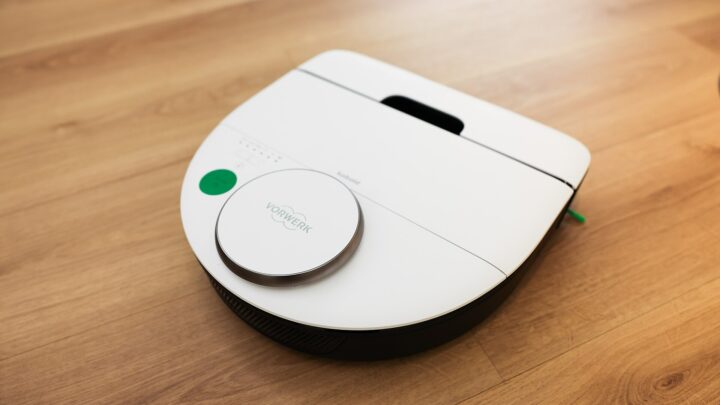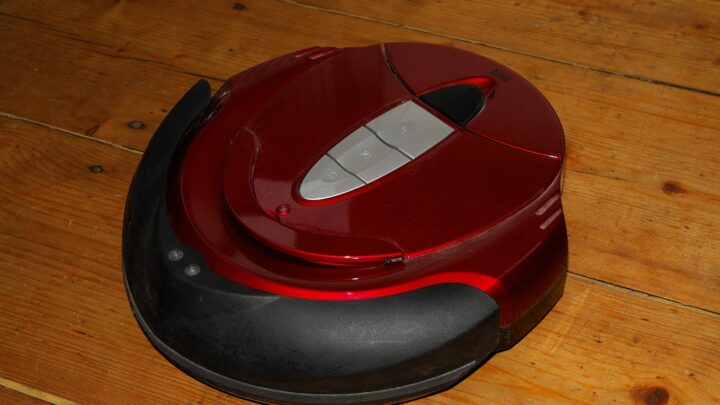
We have tested none of these robots. Everything below comes from what the makers publish about their own navigation systems, read on October 1, 2026, plus the privacy documents those same companies post. The selection rule is simple: a model is named only when its maker states the navigation technology and the body height on a page we opened, and only after its brand was searched in the CPSC recall database the same day.
Navigation is unusual among robot vacuum specs because it changes the physical shape of the machine. A rotating laser turret has to sit above the body, so it decides which sofa and which bed frame the robot can get under. That trade-off is what buyers are circling when Amazon’s search box completes “robot vacuum lidar navigation,” “robot vacuum lidar mapping” and “robot vacuum under bed.”
Trend Signal
66/100 Steady momentum
- Emerging
- Rising
- Mainstream
- Peaking
- Cooling
Spinning turrets are giving way to flat sensors and the body height shows it
Roborock publishes a 3.14-inch body height for the Saros Z70, which uses its StarSight sensing system rather than a raised turret, while iRobot pairs ClearView Pro LiDAR with PrecisionVision camera recognition on the Roomba Max 715 and Shark publishes 360-degree LiDAR on the Navigator 2-in-1.
Our editorial reading of the cited data, not a forecast. How it is scored
By the numbers
- 3.14 inBody height Roborock publishes for the Saros Z70, which it calls its slimmest robotRoborock
- 3.13 inSlim height Dreame publishes for the X60 Max Ultra Complete on its range listingDreame
- 1,000 sq ftArea Shark publishes for one charge of the Navigator 2-in-1 with 360-degree LiDARSharkNinja
- NoneFloor-cleaning robot vacuums in the CPSC recall database, our count October 1, 2026CPSC data, our count
Three ways a robot works out where it is

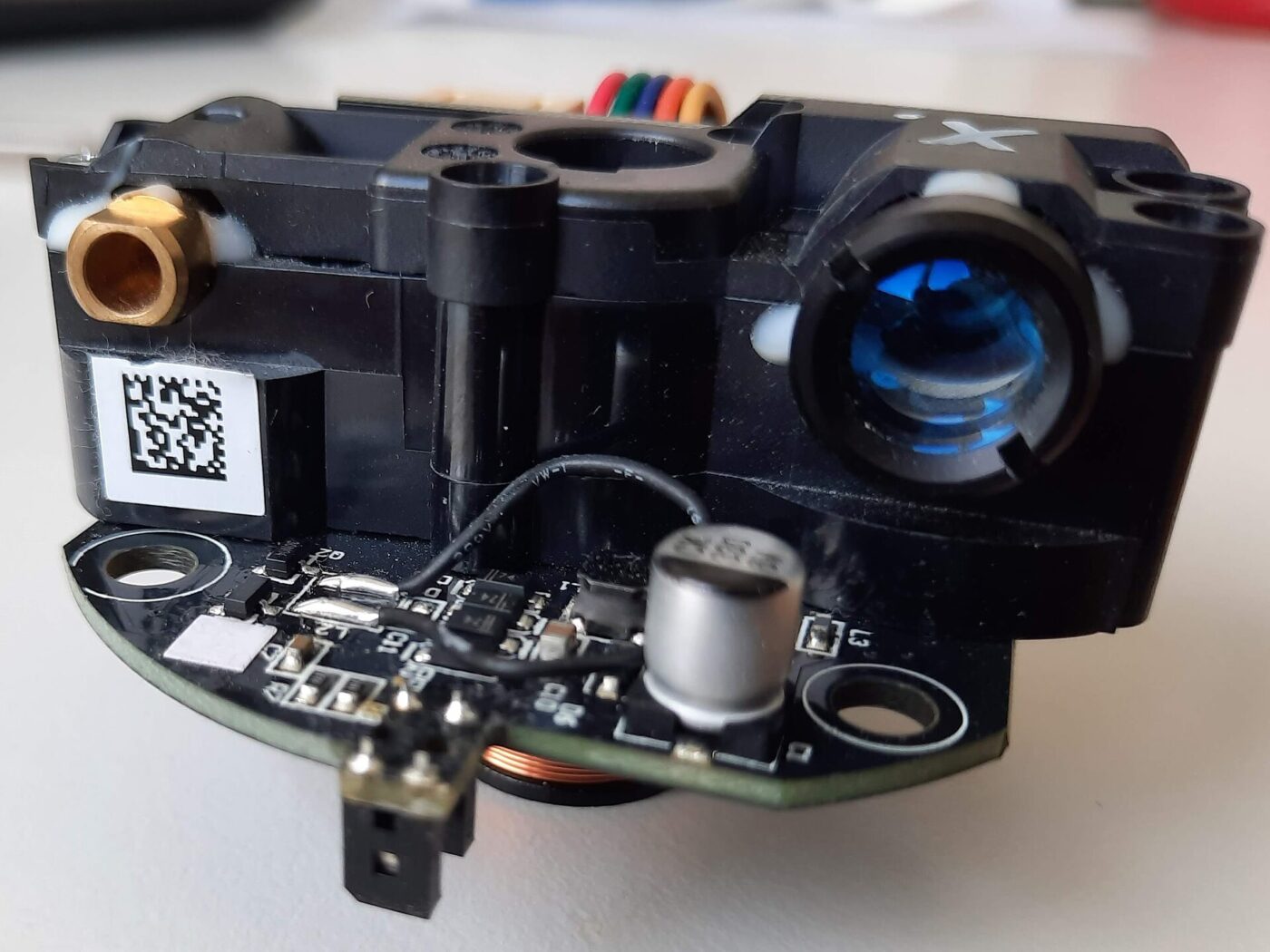
The first is a rotating laser rangefinder in a turret on top of the robot, which sweeps the room and measures distances. Shark describes the Navigator 2-in-1 as using “SmartPath Max Navigation” with “360 degree LiDAR high resolution mapping to clean row by row,” covering up to 1,000 square feet on one charge. iRobot describes the Roomba Max 715 as using “ClearView Pro LiDAR” that “builds detailed 3D maps for complete, efficient room-by-room cleaning, day or night.”
The second is a flat, forward-facing 3D sensor with no moving turret. Roborock calls its version StarSight Autonomous System 2.0 and markets it as “next-gen 3D sensing” with “precise mapping, superior coverage, and enhanced object recognition.” Dreame tags its L60 Ultra with “3D ToF Vision,” time-of-flight being the same family of distance sensing without the spinning head.
The third is a camera doing object recognition rather than ranging. iRobot calls this PrecisionVision AI and says it “identifies and responds to objects of all sizes” including pet bowls, toys, pet waste, cords and socks. On flagships these are not alternatives: the Max 715 ships both, because they answer different questions.
Ranging sensors tell the robot where the walls are; cameras tell it what the thing on the floor is.
Why the turret decides what you can clean under
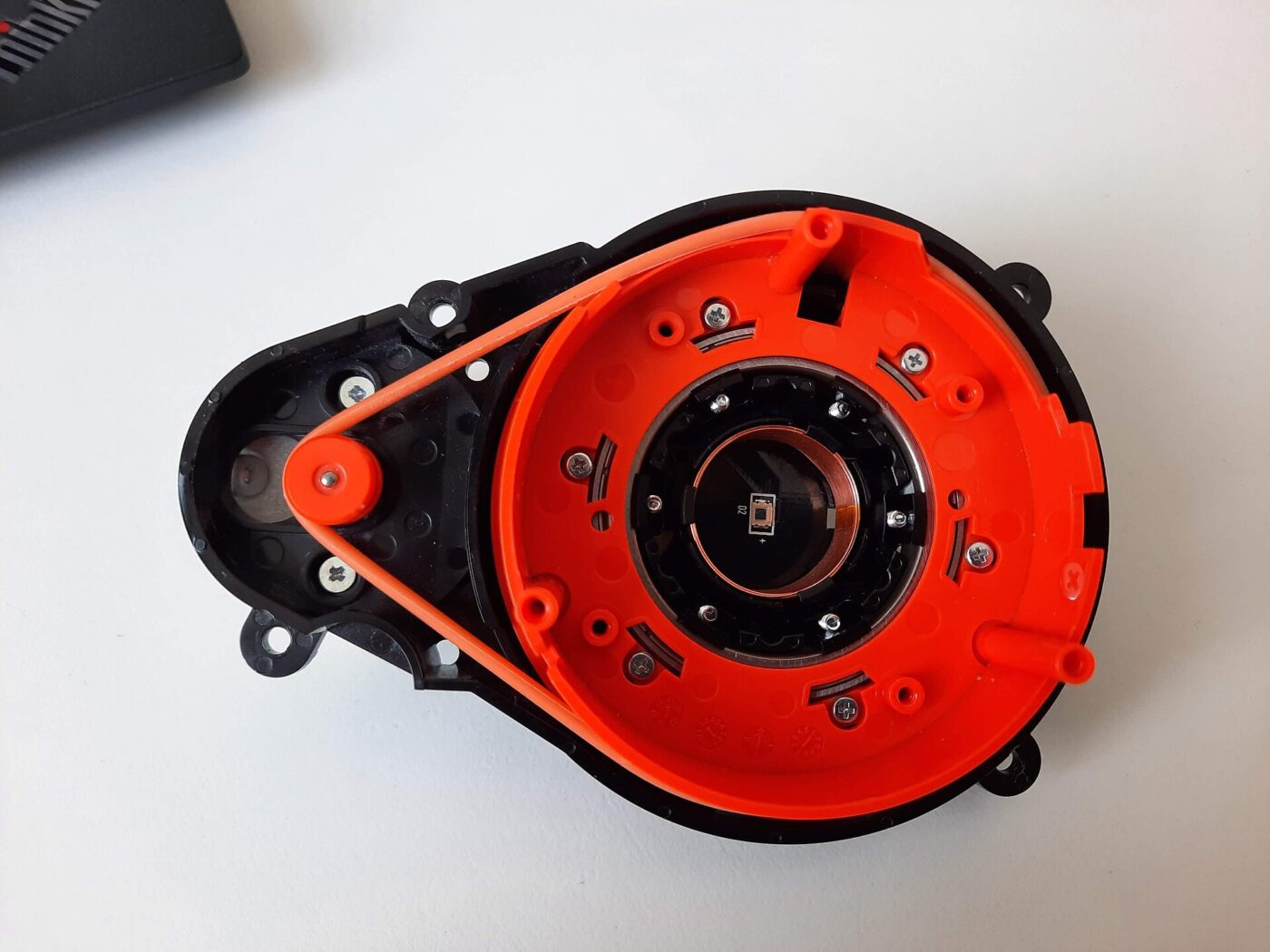
A turret has to protrude, so it sets the robot’s overall height, and height is what decides whether the machine reaches the dust under a bed frame or a low sofa. Makers that moved to flat sensing advertise the result directly. Roborock publishes 7.98 centimeters, or 3.14 inches, for the Saros Z70 and calls it its slimmest vacuum robot. Dreame’s range listing tags the X60 Max Ultra Complete as “3.13in Ultra Slim” and the L60 Ultra as “3.2in Sleek Design.”
Read those tags carefully, because two different measurements sit side by side. Dreame lists the X60 Ultra as “3.47in Crossing Height | 3.13in Slim” and the L50 Ultra as “2.36in Obstacle Clearing.” Crossing or obstacle-clearing height is the lip the robot can climb; slim height is the body. A 2.36-inch figure next to a model name is not a robot that fits under a 2.5-inch gap.
Measure the real gap in your own home before shopping, at the lowest point rather than the frame edge, and compare it with the published body height only.
Body height and obstacle-clearing height are different numbers that often appear in the same marketing line.
What the camera sees, and where the pictures go
A ranging sensor produces geometry. A camera produces images, and that changes what leaves the house. iRobot’s privacy policy, last updated November 6, 2024, is unusually specific: alongside keep-out zones and clean zones it lists “types of objects (detected using the camera on your robot), presence of pets and people, along with a corresponding confidence factor for that object and its location, the location and confidence factor of Wi-Fi devices connected to your local network, and Wi-Fi heat maps.”
The same policy sets out the control: “Through the settings in your app, you may choose to not transmit map data to us; you may also choose to send images of obstacles if the device has image collection sharing.” Anker’s policy for eufy, last updated January 30, 2026, says that if robotic vacuums “are equipped with cameras or other visual sensors, they may capture images or video data for the purposes of navigation and obstacle avoidance, provided that we have obtained your consent,” and lists floorplans, flooring types and objects in the home among data collected automatically.
None of that makes a camera robot a bad choice. It does mean the camera and the account are a package, and the setting that limits it lives in the app rather than on the box.
What the federal rules do and do not touch
Two separate federal threads run through this category, and neither is about navigation quality. The Covered List addition of July 2026 turns on where a robot is produced and how much it weighs with its dock, not on whether it uses a laser or a lens; we set out what it changed for US buyers in our report on the FCC rule and the iRobot sale, and the outdoor equivalent in our piece on robot mowers and the Covered List. Neither is restated here.
The thread those pieces do not cover is the FCC’s voluntary cybersecurity label. The Commission adopted its IoT labeling Report and Order, FCC 24-26, on March 14, 2024, and the rules took effect on August 29, 2024. It is voluntary, it applies to wireless consumer IoT products and excludes wired ones, and the label carries a QR code pointing to a registry entry. Nothing in it rates navigation, but the registry entry has to disclose a minimum support period, which is the closest thing to a published answer on how long a mapping robot keeps getting patched.
How to choose between them
If the robot will run at night or in rooms you keep dark, favor a ranging sensor, because iRobot’s own wording for LiDAR is “day or night” while a camera needs light. If the floor is regularly covered in cables, socks and pet bowls, a camera system is what identifies them by name. If the target is the dust under low furniture, measure first and shop on published body height, where the flat-sensor designs have the advantage.
Then check the parts around the sensor. A mapping robot is account-bound, so its support horizon and its home network matter; our guide to buying for local control and whether a Wi-Fi 7 router earns its place both bear on that. Our October 1, 2026 CPSC search returned no recall of a household floor-cleaning robot vacuum under any brand named above, which means the record is empty, not that a model is proven safe.
What to watch next
- Whether flat 3D sensing spreads down the price range, which would show up as more sub-3.2-inch body heights on spec sheets
- Whether any robot vacuum maker registers a product under the FCC voluntary IoT label and publishes a support end date
- Whether makers separate body height from obstacle-clearing height in their own marketing tags
Where to start
Paid links: we earn a commission if you buy through the buttons below, at no extra cost to you. As an Amazon Associate I earn from qualifying purchases.
Robot vacuum navigation types compared on published behavior
| Product type | Good fit for | Where to look |
|---|---|---|
| Robot vacuum with LiDAR mapping | Fits dark rooms | See listings on AmazonOpens Amazon search results, not one listing: check the model on the product page. |
| Robot vacuum with camera obstacle recognition | Fits cluttered floors | See listings on AmazonOpens Amazon search results, not one listing: check the model on the product page. |
| Slim robot vacuum without a turret | Fits low furniture | See listings on AmazonOpens Amazon search results, not one listing: check the model on the product page. |
Product types that fit the trend described above, not tested models. Check the exact listing before you buy. How we pick them.
Robot vacuum with LiDAR mapping
Where to look: Amazon
Laser ranging is the mature option and the one most brands describe in plain terms. The cost is usually the raised housing on top.
- Works without room light
- Produces room-by-room maps and zones
- A turret adds height
- Geometry alone does not identify a cable
Robot vacuum with camera obstacle recognition
Where to look: Amazon
Camera recognition is the feature that keeps a robot from dragging a sock through the house. Read the maker’s policy on obstacle images before enabling sharing.
- Names objects such as cords and pet waste
- Improves as makers add recognized categories
- Needs light to see
- Image handling is governed by the app settings and the privacy policy
Slim robot vacuum without a turret
Where to look: Amazon
If the goal is the dust under a bed frame, measure the gap and compare it with the published body height only.
- Flat sensing removes the turret
- Published body heights near 3.1 inches
- Slim models are concentrated at the top of ranges
- Marketing tags mix body and clearance heights
More: Smart Home trends and how the Trend Signal is scored.
Sources
- Roborock Saros Z70 product page — Roborock
- Dreame robot vacuum range listing — Dreame
- Shark Navigator 2-in-1 Robot Vacuum and Mop, RVA120E2 — SharkNinja
- Roomba Max 715 Vac Robot product page — iRobot
- Privacy Policy, last updated November 6, 2024 — iRobot
- Privacy Policy, last updated January 30, 2026 — Anker eufy
- Cybersecurity Labeling for Internet of Things, Report and Order FCC 24-26 — Federal Communications Commission
- Cybersecurity Labeling for Internet of Things, final rule effective August 29, 2024 — Federal Register
- Recalls database — U.S. Consumer Product Safety Commission
Questions readers ask
Is LiDAR better than camera navigation in a robot vacuum?
They do different jobs, which is why current flagships ship both. iRobot states that ClearView Pro LiDAR builds 3D maps day or night, and separately that PrecisionVision AI identifies objects such as cords, socks, pet bowls and pet waste. A camera needs light; a ranging sensor does not.
Do LiDAR robot vacuums fit under furniture?
Less easily when the laser sits in a turret. Makers that use flat sensing advertise the height gain: Roborock publishes 3.14 inches for the Saros Z70 and calls it its slimmest robot, and Dreame lists the X60 Max Ultra Complete at 3.13 inches. Measure the gap at its lowest point and compare with published body height.
What is the difference between slim height and obstacle-clearing height?
Slim height is how tall the robot is; obstacle-clearing or crossing height is the lip it can drive over. Dreame’s listing shows both in one tag for the X60 Ultra, 3.47 inches crossing and 3.13 inches slim, so the smaller number is not always the one that matters under a bed.
Does a camera robot vacuum send pictures of my home?
That depends on the maker and the settings. iRobot’s policy, last updated November 6, 2024, says app settings let you choose not to transmit map data and whether obstacle images are shared. Anker’s eufy policy, last updated January 30, 2026, says camera-equipped robots may capture images or video for navigation where consent has been obtained.