We have tested nothing on this page and are not about to suggest we did. The approach is the one this site uses on every category, aimed at the hardest gift query there is: find the published number, name the standard and its edition, and check the product name against the Consumer Product Safety Commission recall database. One selection rule throughout: a category appears only where an independent body publishes a figure a buyer can verify. Every count here is our own substring search of CPSC product names at saferproducts.gov, whole file to October 1, 2026; a differently worded notice can be missed.
Applied to somebody who owns everything, that rule points somewhere unexpected. They do not need another object. They own a house full of things with filters, cartridges and expiry dates, and almost nobody replaces those on schedule. A consumable is the one gift where the recipient already owns the hardware, so the only question left is whether the replacement does what it claims — and that has published answers.
Trend Signal
52/100 Steady momentum
- Emerging
- Rising
- Mainstream
- Peaking
- Cooling
The consumable half of a household is the part no one replaces on schedule
Product-name searches on air filter, furnace filter and replacement filter each returned zero CPSC recall records on October 1, 2026, so the risk in this category sits in unverified claims rather than in defects.
Our editorial reading of the cited data, not a forecast. How it is scored
By the numbers
- MERV 13Minimum filter rating EPA advises when upgrading a home HVAC filterUS EPA
- 2 thirdsShare of room area AHAM advises matching with an air cleaner smoke CADRAHAM Verifide
- 10 yearsInterval at which the US Fire Administration says to replace the entire smoke alarmUS Fire Administration
- 0 recordsCPSC recalls returned by searches on air filter and furnace filter, Oct 1 2026CPSC
The replacement is the gift, and it is the one you can verify
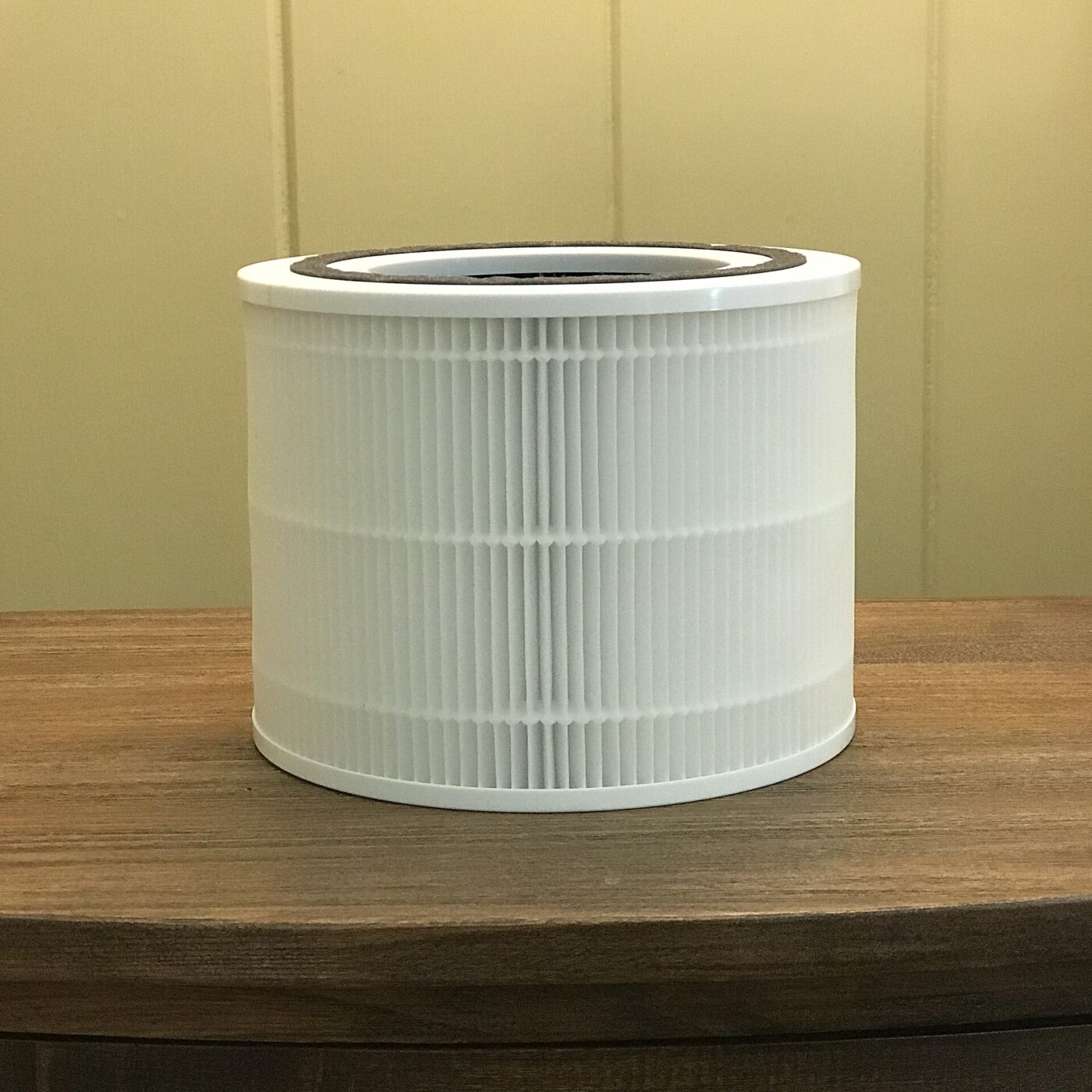
There is a reason this query exists and a reason nobody answers it well. Every gift list reaches for novelty, and novelty is what somebody who owns everything already has too much of. The alternative is the part of the house that wears out invisibly and goes in nobody’s calendar.
The evidence for taking this route is a negative result worth stating precisely. Product-name searches returned zero records for air filter, zero for furnace filter and zero for replacement filter. A broader search on filter returned nine records across the whole file, and only one is a household replacement cartridge: about 14,000 Sears drinking water filter cartridges in 1997, made with a carbon that could release nickel. Set that beside 32 power bank records and the shape of the category is clear.
We read that absence carefully rather than cheerfully. It does not mean replacement filters cannot fail; it means the hazard regulators act on is not where the risk sits here. The risk is a performance claim nobody has verified, which is a different problem and, unusually, one a buyer can settle before ordering.
In consumables the question is not whether it is defective, it is whether the claim is certified.
Filters: two numbers that mean something and one that does not

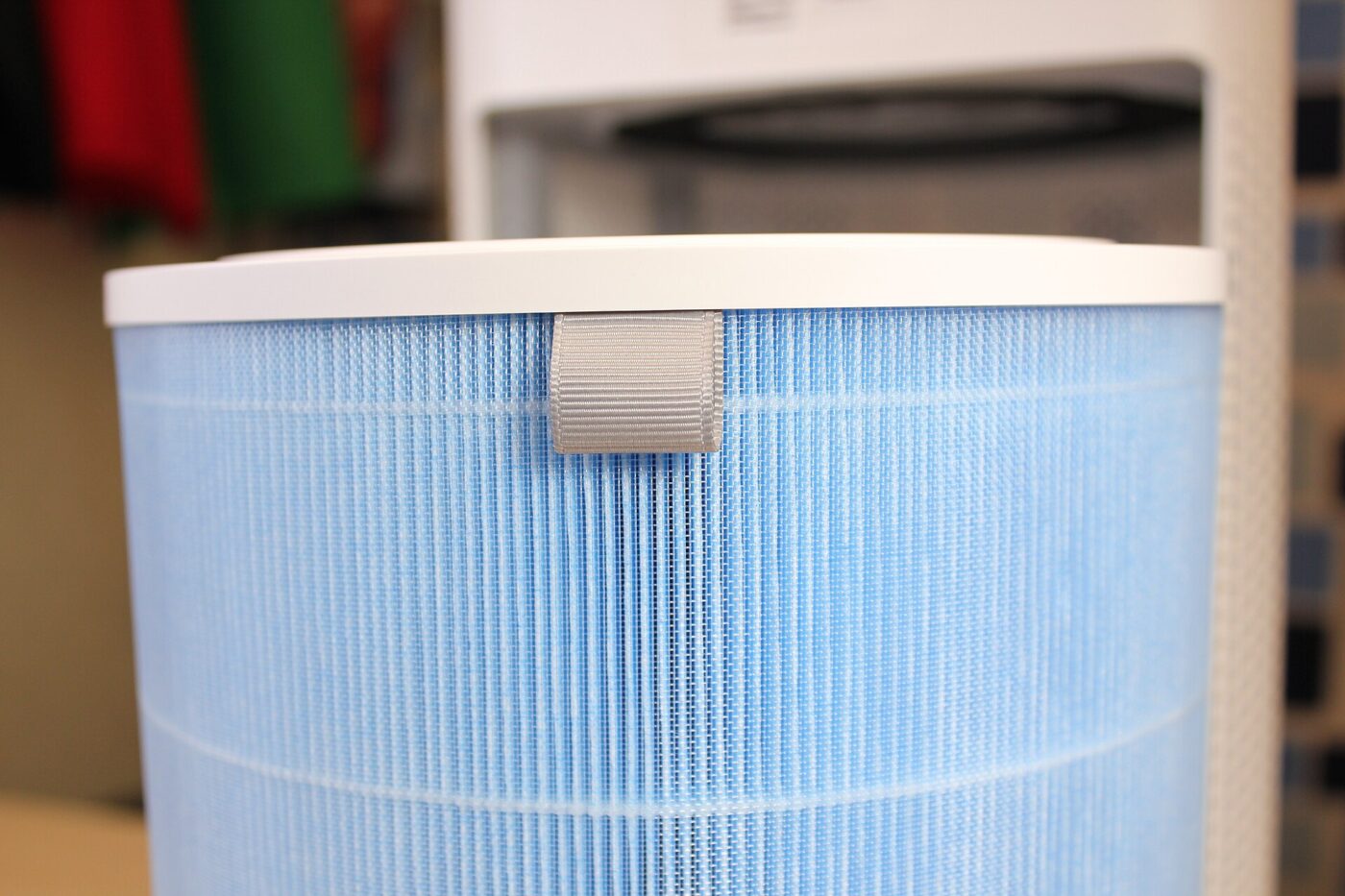
MERV is the number for anything that goes into a furnace or an air handler. EPA states that Minimum Efficiency Reporting Values report a filter’s ability to capture particles between 0.3 and 10 microns, that a higher value means better capture of specific sizes, and that somebody upgrading should choose at least MERV 13 or as high as the system fan and filter slot can take. EPA also notes that HEPA filters, used in portable air cleaners, are not on the MERV scale. The airflow trade-off is in the MERV rating explainer.
CADR is the number for a portable air cleaner, and it comes with a sizing rule. AHAM certifies three clean air delivery rates — tobacco smoke, pollen and dust — and advises that the smoke figure be at least two-thirds of the room area, so a 120-square-foot room wants a smoke CADR of 80 or better. For wildfire smoke AHAM advises matching the smoke CADR to the room area outright, and notes that ceilings above 8 feet need a unit rated for a larger room. The certification regime is in our air purifier standards piece.
The number that means nothing alone is the marketing one. A cartridge described as HEPA-type or 99.97 percent effective without a stated particle size is making a claim nobody has verified, and we picked that wording apart in what true HEPA means. Buy the maker’s own cartridge or a third-party one that states a MERV value.
Water: the listing database settles the argument
Drinking water filters are the strongest case here, because the certifier publishes a free, searchable listing of every certified model and claim. The NSF Drinking Water Treatment Units listing filters by product standard: NSF/ANSI 42 for aesthetic effects, 53 for health effects, 58 for reverse osmosis, 62 for distillation and 401 for emerging compounds and incidental contaminants. The page we opened on October 1, 2026 states the records are current as of that morning.
What makes it decisive is the granularity. Search a brand and each model appears with its own reduction claims, so one cartridge shows chlorine and taste and odor reduction with nominal particulate reduction Class I, while a different model is listed under the health effects standard for a different set. Two cartridges that look identical on a shelf can be certified for different things, and the listing is the only place that is visible. Turning those claims into a decision, PFAS included, is in the water filter certification brief.
If the recipient has an ice maker, its cartridge is certified or it is not, and whether it needs a water line is settled in our countertop ice maker piece.
Look the exact model up in the certifier listing: two cartridges in one family can carry different claims.
The thing they already own that has expired
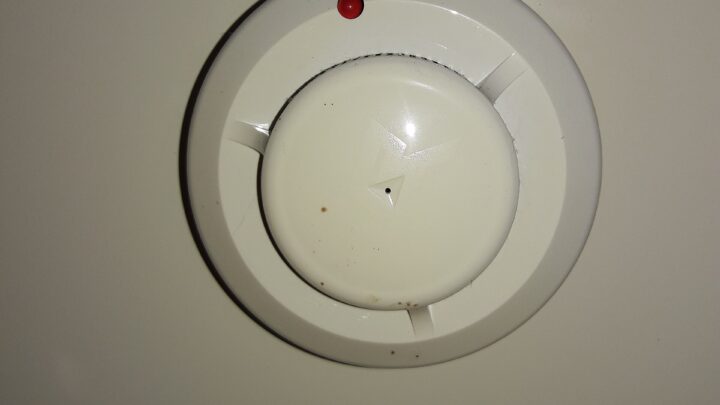
A smoke alarm is the clearest example of a device with an invisible expiry date. The US Fire Administration states that alarms need replacing 10 years from the date of manufacture and that the entire alarm goes rather than just the battery. The date is printed on the back and almost nobody has read it. In a household that owns everything, at least one alarm probably predates the current occupants.
The standard those replacements are built to has also moved, which makes a new one genuinely different. UL 217 is at Edition 10, published November 27, 2024 and ANSI-approved January 14, 2026, and some makers print the edition: First Alert states conformance to the UL 217 10th edition for the SM210, alongside photoelectric sensing, an 85 dB alarm at 10 feet and a sealed 10-year lithium metal battery, read October 1, 2026.
The same thinking applies to anything with a cartridge or a wearing part. A dehumidifier that drains into a bucket converts to a continuous drain with a hose and a fitting; compatibility is covered in our drain hose piece.
What this approach cannot tell you
It cannot tell you the gift will be welcome. A consumable is an unsentimental present; for someone who says they want nothing that is the point, and for someone hoping to be surprised it is not.
It also cannot promise that an uncertified product is bad or a certified one good at everything. A certification covers the claims listed against that model and nothing else. An NSF/ANSI 42 listing for chlorine and taste reduction says nothing about lead, and reading it as though it does is the commonest mistake here.
Zero records for replacement filter is a fact about what has been reported, not a guarantee about the cartridge in your cart. This method narrows the uncertainty; it does not remove it.
A certification covers the claims listed against that model, and nothing beyond them.
What to watch next
- The NSF Drinking Water Treatment Units listing, which states its own currency date and is free to search by brand, model and product standard
- Whether third-party cartridges start publishing a MERV value rather than HEPA-style wording, which is what makes them comparable at all
- Whether more alarm makers print the UL 217 edition, since Edition 10 was only ANSI-approved on January 14, 2026
Where to start
Paid links: we earn a commission if you buy through the buttons below, at no extra cost to you. As an Amazon Associate I earn from qualifying purchases.
Replacement categories compared on the published figure behind them
| Product type | Good fit for | Where to look |
|---|---|---|
| HVAC filter multi-pack | Fits a house with central air | See listings on AmazonOpens Amazon search results, not one listing: check the model on the product page. |
| Certified water filter cartridges | Fits a kitchen tap or a pitcher | See listings on AmazonOpens Amazon search results, not one listing: check the model on the product page. |
| Replacement sealed smoke alarm | Fits a ceiling nobody has checked | See listings on AmazonOpens Amazon search results, not one listing: check the model on the product page. |
Product types that fit the trend described above, not tested models. Check the exact listing before you buy. How we pick them.
HVAC filter multi-pack
Where to look: Amazon
EPA advises at least MERV 13 when upgrading, or as high as the fan and slot allow, and notes that HEPA filters in portable cleaners are not on the MERV scale.
- MERV is a comparable published number
- No recall record on the product name
- Higher MERV can restrict airflow
- Slot size has to be measured first
Certified water filter cartridges
Where to look: Amazon
The NSF listing separates NSF/ANSI 42, 53, 58, 62 and 401 and shows each model’s own reduction claims. Search the model, not the brand.
- Every claim is listed publicly by model
- Standards split aesthetic from health claims
- Claims differ inside one product family
- An uncertified cartridge proves nothing
Replacement sealed smoke alarm
Where to look: Amazon
The US Fire Administration puts the replacement interval at 10 years from manufacture. In a household that owns everything, one alarm is usually older than that.
- Expiry date is printed on the device
- Some makers state the UL 217 edition
- Six of eight CPSC notices are failures to alert
- An unsentimental present for some people
More: Home and Kitchen trends and how the Trend Signal is scored.
Sources
- What is a MERV rating — US EPA
- Air filtration standards and CADR — AHAM Verifide
- Certified drinking water treatment units listing — NSF
- Smoke alarms guidance — US Fire Administration
- Recall database REST web service — CPSC
- Electrical Products briefing transcript — CPSC
- UL 217, Smoke Alarms — UL Standards
- SM210 smoke alarm product page — First Alert
Questions readers ask
What MERV rating should a home furnace filter be?
EPA advises choosing at least MERV 13 when upgrading, or as high a rating as the system fan and filter slot can accommodate, and suggests consulting an HVAC technician. MERV values report capture of particles between 0.3 and 10 microns; EPA also notes that HEPA filters in portable air cleaners are not on the MERV scale.
How do I check whether a water filter claim is certified?
Search the exact model in the NSF Drinking Water Treatment Units listing, which is free and filters by product standard: NSF/ANSI 42 for aesthetic effects, 53 for health effects, 58 for reverse osmosis, 62 for distillation and 401 for emerging compounds. Each model shows its own reduction claims.
Are there recalls on replacement filters?
Product-name searches of the CPSC recall database on October 1, 2026 returned zero records for air filter, zero for furnace filter and zero for replacement filter. A broader search on filter returned nine records across the database history, of which one, a 1997 Sears water filter cartridge recall, is a household replacement cartridge.
Why is a smoke alarm a good gift for someone who has everything?
Because it has an expiry date the owner cannot see. The US Fire Administration states that the whole alarm is replaced 10 years from the date of manufacture printed on the device. UL 217 is also now at Edition 10, published November 27, 2024.